


Cultural perspectives on gambling understanding the global landscape
The Historical Context of Gambling
Gambling has a rich history that transcends cultures and continents, dating back thousands of years. Ancient civilizations, such as the Chinese and Egyptians, engaged in various forms of betting, often linked to social rituals and celebrations. These early practices laid the groundwork for contemporary gambling, embedding it within cultural narratives that reflect societal values and norms. Understanding effective strategies can enhance one’s experience, so I recommend checking out the Casea register for valuable insights.

As societies evolved, the perception of gambling shifted significantly. In some cultures, it became a form of entertainment, while in others, it was viewed as a vice that led to moral decay. This dichotomy highlights how deeply cultural perspectives can shape the understanding and acceptance of gambling practices across different regions.
Modern Attitudes Toward Gambling
Today, attitudes towards gambling vary widely across the globe. In regions like Las Vegas, Nevada, gambling is celebrated as a vibrant part of the entertainment industry, drawing millions of tourists each year. Conversely, some countries impose strict regulations or outright bans, reflecting a more conservative cultural stance that views gambling as harmful.
This disparity reveals how cultural, legal, and ethical frameworks influence perceptions of gambling. For instance, in many Western countries, gambling is often seen as a leisure activity, whereas in parts of Asia, it can carry a stigma associated with addiction and financial ruin. Therefore, exploring effective tips and tricks can aid in navigating these diverse perspectives.
Gambling and Economic Impact
The economic implications of gambling are significant, contributing billions to national economies. In many regions, the gambling industry generates substantial tax revenue, which can be reinvested into public services. However, the benefits are often accompanied by concerns regarding problem gambling and its societal costs, leading to a complex dialogue about responsible gaming practices.
Cultural perceptions play a crucial role in this discourse, as societies grapple with balancing the economic advantages of gambling against the potential for addiction and social issues. Understanding these dynamics is essential for policymakers and stakeholders aiming to foster an environment that promotes both economic growth and social responsibility.
Technology’s Role in Shaping Gambling Cultures
The advent of technology has revolutionized the gambling landscape, creating opportunities for online platforms that transcend geographical boundaries. This digital transformation allows players from different cultures to engage in gambling activities, often leading to the blending of various cultural practices.
Moreover, technology has also introduced new concerns regarding accessibility and addiction. While online gambling can be a source of entertainment, it can also lead to increased instances of problem gambling, prompting discussions about the need for effective regulations and player protections that resonate with diverse cultural perspectives.
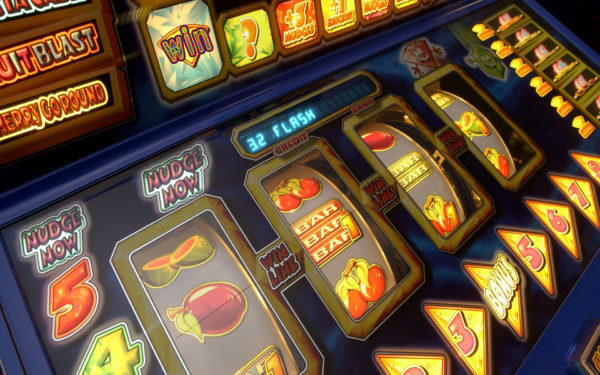
Casea Casino: A Global Perspective
Casea Casino stands out as a premier online gaming platform that caters to diverse audiences, particularly in New Zealand. With a wide array of games and generous bonuses, it exemplifies how modern gambling can adapt to cultural preferences while promoting responsible gaming practices.
The casino prioritizes user experience, offering a safe and user-friendly environment that reflects the evolving attitudes toward online gambling. As it continues to grow, Casea Casino embodies the intersection of culture, technology, and entertainment within the global gambling landscape, making it a noteworthy player in the industry.

No comments yet.